In this review, we'll take a detailed look at what makes the 2025 Ninja 500 a leader among middleweight motorcycles — from performance and comfort to style and price.
Kawasaki Ninja 500 Design
Sporty Ninja DNA with Modern Styling
The Kawasaki Ninja 500 carries forward the aggressive styling that has become synonymous with the Ninja lineup, blending sharp aesthetics with aerodynamic functionality. From the very first glance, the bike exudes a sporty character that appeals to both new riders and seasoned enthusiasts.
LED Headlights and Aerodynamic Front Design
At the front, the sleek twin LED headlights are not just visually striking — they provide excellent illumination and give the Ninja 500 a predatory, focused look. Above them sits a sharply angled windscreen, designed to enhance wind deflection and add to the bike’s racing-inspired silhouette.
Functional Fairings and Streamlined Bodywork
The fairings are sculpted for both form and function, directing airflow efficiently while contributing to the bike’s muscular, dynamic profile. The side panels taper neatly into the tail section, which is compact and elevated, reinforcing the bike’s sporty and agile stance.
Color Options and Race-Inspired Graphics
Kawasaki offers the Ninja 500 in several color options, including bold liveries like Kawasaki Racing Green and stealthy matte finishes, giving riders a chance to choose a look that matches their personality. The graphics and decals are modern and minimal, emphasizing clean lines and a high-performance vibe.
Advanced Cockpit with Full-Color TFT Display
Another standout element is the full-color TFT display integrated into the cockpit, which adds a touch of sophistication while providing essential ride data with clarity and style.
Overall, the design of the Kawasaki Ninja 500 is a well-executed fusion of aggressive styling, aerodynamic efficiency, and everyday usability, making it not just a machine, but a statement on two wheels.
| Dimension | Value |
|---|---|
| Overall Length | 1,995 mm (78.5 in) |
| Overall Width | 730 mm (28.7 in) |
| Overall Height | 1,125 mm (44.3 in) |
| Wheelbase | 1,375 mm (54.1 in) |
| Seat Height | 785 mm (30.9 in) |
| Ground Clearance | 145 mm (5.7 in) |
| Curb Weight | 171 kg (377 lbs) |
| Fuel Tank Capacity | 14 liters (3.7 gal) |
Chassis and Handling
When it comes to entry-level sportbikes, the Kawasaki Ninja 500 sets a new standard—not just in looks and engine performance, but in how it rides, turns, and feels under you. Let’s explore what makes this bike a handling masterpiece in its class, with a focus on its chassis design, suspension setup, and road dynamics.
Lightweight Trellis Frame, Tuned for Precision
At the heart of the Ninja 500 is a high-tensile steel trellis frame, engineered for the ideal balance between rigidity and flex. This frame architecture allows for a solid backbone that keeps the bike stable at speed, while remaining nimble enough for sharp, responsive cornering.
The chassis geometry is no accident either. With a 25.0° rake and 102 mm (4.0 in) trail, the steering dynamics are optimized to deliver a balance of agility and predictability—exactly what you want on twisty roads or during quick directional changes.
Did You Know?
The Ninja 500’s geometry is nearly identical to Kawasaki’s more premium models, giving it a surprisingly refined feel in this price range.
Comfortable and Adjustable Suspension
Handling is nothing without the right suspension, and Kawasaki has made smart choices here. Up front, the 41 mm telescopic fork provides just the right amount of stiffness for sporty riding, while remaining compliant enough to smooth out rough city roads.
In the rear, the Uni-Trak® linkage system and preload-adjustable monoshock help deliver consistent traction and a plush ride feel. Whether you're riding solo, with a passenger, or carrying gear, this setup offers a good level of customization to match your needs.
⭐ Key Feature:
Five-way preload adjustability in the rear suspension makes it easy to tune the bike for comfort or performance—no tools or special skills needed.
Sharp Steering and Confident Cornering
Thanks to its short 1,375 mm (54.1 in) wheelbase, the Ninja 500 offers extremely agile handling. Corner entry is quick and precise, and the bike feels stable when leaned over, inspiring confidence in riders of all levels. The low 785 mm (30.9 in) seat height also helps shorter riders get a solid foot on the ground, improving control at low speeds or during stops.
The 17-inch alloy wheels, paired with grippy tires (110/70-17 front, 150/60-17 rear), offer plenty of feedback and traction. Whether you're carving back roads or commuting in traffic, the handling remains light, direct, and reassuring.
Reliable Braking with ABS Safety
Braking duties are handled by a 310 mm front disc with a two-piston caliper, and a 220 mm rear disc, both equipped with ABS. The braking system is tuned for predictability and control, giving you confidence even when stopping hard or riding in wet conditions.
Safety Tip:
ABS not only helps prevent wheel lock-up, but also gives newer riders an extra layer of protection during panic stops.
The Final Verdict: Balanced, Sporty, and Fun
With a curb weight of just 171 kg (377 lbs), the Kawasaki Ninja 500 is incredibly easy to handle, making it a fantastic choice for beginners and seasoned riders alike. Its light steering, stable chassis, and refined suspension come together to offer a ride that feels far more premium than its entry-level status suggests.
Whether you're looking to learn the ropes or upgrade your daily ride, the Ninja 500 delivers precise, confidence-inspiring handling—without sacrificing comfort or versatility.
Kawasaki Ninja 500 Electronics & Safety: Smart Engineering in a Lightweight Package
While the Kawasaki Ninja 500 might look like a lightweight sportbike designed for easy access and daily fun, its electronics and safety system reveal a deeper layer of intelligent design. Kawasaki has implemented a rider-focused, streamlined electronic package that balances modern safety with an intuitive riding experience, without overcomplicating the user interface.
At the heart of the system is a compact, highly optimized ECU (Engine Control Unit), which manages engine parameters including fuel injection, ignition timing, and idle speed. Kawasaki’s tuning ensures smooth, linear throttle response, especially at low revs where control matters most. This is particularly beneficial in city riding or during low-speed maneuvers—exactly where beginner riders tend to need extra support. Explore how the Ninja 500 engine delivers smooth, efficient power.
The Ninja 500 is equipped with a bright and legible LCD instrument panel, which delivers all the critical information clearly and efficiently. From speed, gear position, and fuel level to dual trip meters and real-time fuel economy, the dashboard keeps the rider informed without clutter. Notably, the gear position indicator proves extremely helpful for newer riders developing shifting habits and throttle timing. The minimalistic interface avoids unnecessary distractions and enhances long-term reliability. See how its dimensions and ergonomics support daily usability.
One of the most significant elements of the bike’s safety package is its dual-channel ABS (Anti-lock Braking System). Independently controlled front and rear sensors monitor wheel speeds and intervene only when lock-up is imminent. The system is finely tuned, engaging only when necessary and preserving natural brake feel in most riding conditions. Kawasaki’s calibration ensures the ABS performs confidently in both dry and wet environments, giving the rider peace of mind without sacrificing control. Understand how ABS works and why it matters for new riders.
? Did you know?
The Ninja 500’s ABS isn’t just a safety net—it’s designed to improve rider technique by preventing panic-induced overbraking while still allowing progressive brake application.
Though the Ninja 500 doesn’t feature advanced ride modes, lean-sensitive traction control, or a six-axis IMU like higher-end sportbikes, this is intentional. By removing unnecessary electronic layers, Kawasaki encourages riders to develop real riding skills—with just the right amount of technological assistance to build confidence. Find out what makes the Ninja 500 perfect for beginner riders.
Additionally, the Ninja 500 benefits from electronic throttle actuation and precise fuel-injection mapping, resulting in crisp throttle response across all gears and engine loads. Whether accelerating out of a corner or climbing a hill, the bike responds smoothly and predictably, eliminating abrupt power delivery that can unsettle newer riders.
Built for longevity and reliability, the Ninja 500’s wiring harness uses sealed connectors and vibration-resistant mounts, making it well-suited for everyday riding—even in harsh conditions. These weatherproofing measures help protect the electronics from moisture, heat, and general wear and tear, ensuring the bike performs as well on year three as it does on day one.
In the end, the Kawasaki Ninja 500’s electronic and safety systems are masterclasses in subtlety and precision. Rather than chasing trends or overloading the rider with data and settings, Kawasaki has crafted a machine that feels smart, supportive, and empowering—especially for those developing their confidence on two wheels. Compare electronics and safety features side-by-side.
ENGINE SPECIFICATIONS & TRANSMISSION SYSTEM
At the heart of the Kawasaki Ninja 500 lies a 451cc liquid-cooled, 4-stroke, parallel-twin engine that embodies the fusion of compactness, efficiency, and refined performance. This engine architecture is based on a high-precision DOHC (Double Overhead Camshaft) layout, operating four valves per cylinder, which enhances airflow at high RPM and optimizes combustion efficiency across the rev range. The bore and stroke configuration is precisely measured at 70.0 mm x 58.6 mm, a setup engineered to strike a calculated balance between low-end torque delivery and high-RPM power output. The engine operates with a compression ratio of 11.3:1, allowing it to achieve efficient power production while maintaining fuel economy and thermal control under varying load conditions. Fuel delivery is controlled by a state-of-the-art fuel injection system featuring dual 32 mm throttle bodies, governed by a fine-tuned ECU that dynamically adjusts the air-fuel ratio, ignition timing, and injector pulse width in real-time. This precise management ensures excellent throttle response and smooth power delivery, particularly in mid-range operation where the Ninja 500 excels. The use of a semi-dry sump lubrication system aids in lowering the engine’s center of gravity while maintaining consistent oil pressure during aggressive cornering or braking. The lightweight forged aluminum pistons, coated for low friction, operate within electroplated aluminum cylinders that reduce heat absorption and wear, promoting extended engine longevity under high-performance usage.
Smooth Power, Engineered Precision
To reduce engine vibration, the Kawasaki employs a gear-driven balancer shaft, engineered to neutralize the primary inertial forces of the parallel-twin configuration. The result? A smooth, refined engine character — even at high RPMs.
The advanced cooling system features a high-efficiency radiator and a thermostat-controlled fan. Inside, the coolant flows through optimized pathways in the cylinder head and block, eliminating hotspots and guarding against thermal fatigue — especially during long, high-speed rides.
Transmission That Responds With You
Mated to the engine is a six-speed return-type transmission, designed for crisp gear changes and consistent feel across all torque levels. It’s paired with a slipper and assist clutch that reduces lever effort for everyday shifting, while also allowing controlled slip under aggressive downshifting — minimizing rear-wheel chatter and boosting rider control.
Each gear ratio has been fine-tuned to make the most of the engine’s power band, delivering responsive acceleration in the city and confident cruising on the highway.
Engineered for Precision and Stability
The final drive of the Kawasaki Ninja 500 is managed by a sealed O-ring chain, efficiently transferring torque to the rear sprocket. This setup not only minimizes power loss but also reduces maintenance demands — a perfect balance for everyday reliability and sportbike performance.
At the heart of the chassis design is the engine itself. Through a rigid mounting system, the engine serves as a stressed member of the frame, enhancing torsional rigidity and overall chassis stability — a feature usually reserved for higher-displacement sport machines. This level of integration reduces lateral flex, offering improved cornering accuracy and sharper feedback during aggressive transitions.
Engineered for Precision and Stability
The final drive of the Kawasaki Ninja 500 is managed by a sealed O-ring chain, efficiently transferring torque to the rear sprocket. This setup not only minimizes power loss but also reduces maintenance demands — a perfect balance for everyday reliability and sportbike performance. At the heart of the chassis design is the engine itself. Through a rigid mounting system, the engine serves as a stressed member of the frame, enhancing torsional rigidity and overall chassis stability — a feature usually reserved for higher-displacement sport machines. This level of integration reduces lateral flex, offering improved cornering accuracy and sharper feedback during aggressive transitions.
Smart Engineering Meets Rider-Centric Tuning
The Ninja 500’s powertrain is more than just parts — it’s a refined ecosystem of mechanical precision, designed to deliver:
- Performance confidence for new riders
- Mechanical depth appreciated by experienced enthusiasts
- Durability and consistency for long-term riding enjoyment
| Engine Feature | Specification |
|---|---|
| Engine Type | 451cc, 4-stroke, liquid-cooled, parallel-twin |
| Valve System | DOHC, 8 valves (4 per cylinder) |
| Bore x Stroke | 70.0 mm × 58.6 mm |
| Compression Ratio | 11.3:1 |
| Fuel System | Fuel injection, dual 32 mm throttle bodies |
| Ignition | TCBI with digital advance |
| Lubrication System | Semi-dry sump |
| Cooling System | Liquid-cooled with high-efficiency radiator and fan |
| Primary Drive | Gear |
| Clutch | Assist & Slipper clutch (wet multi-plate) |
| Transmission Type | 6-speed, return shift |
| Final Drive | Sealed O-ring chain |
| Engine Mounting | Rigid mounted (used as stressed member) |
FUEL CONSUMPTION
When it comes to balancing performance with practicality, the Kawasaki Ninja 500 makes a compelling case—not just as a nimble sportbike, but also as a remarkably fuel-efficient machine in its class.
Engine Efficiency Starts at the Core
At the heart of the Ninja 500’s fuel economy is its 451cc parallel-twin engine, featuring advanced fuel injection via dual 32 mm throttle bodies. The ECU continuously fine-tunes the air-fuel mixture in real-time, helping maintain maximum combustion efficiency in various riding scenarios. Whether you're cruising on the highway or navigating stop-and-go traffic, the system ensures you're using just the right amount of fuel at any moment. Thanks to the engine’s compression ratio of 11.3:1, fuel is burned more efficiently—extracting more energy per drop without increasing consumption. This is further supported by a highly optimized combustion chamber design, enabling the Ninja to avoid pre-detonation or power loss even under heavy load.
Real-World Fuel Consumption Numbers
In day-to-day riding conditions, the Ninja 500 averages an impressive 65 to 70 MPG (3.6–3.9 L/100 km). That includes a blend of city commuting, moderate sport riding, and longer highway stretches. While aggressive throttle use or higher RPMs can slightly raise fuel use, the bike delivers peak efficiency between 4,000 and 6,000 RPM, where torque is smooth and throttle response is balanced.
Fuel Tank Range: More Miles Between Stops
With a 14-liter (3.7-gallon) fuel tank, the Ninja 500 offers a real-world range of around 350 to 390 kilometers (220–240 miles) on a single tank. That makes it ideal not only for urban commuters but also for weekend riders who want to cover distance without frequent fuel stops.
Mechanical Features That Support Fuel Economy
Fuel efficiency on the Ninja 500 isn’t just about the engine—it’s also supported by smart engineering choices:
- A lightweight chassis (curb weight ~172 kg) reduces the engine's workload
- Aerodynamic bodywork cuts drag at higher speeds
- Assist and slipper clutch allows smoother downshifting and less mechanical resistance
- Precision gear ratios help keep the engine in its most efficient rev range
Together, these features make the Ninja not only a sporty performer but a cost-effective and eco-conscious choice in the middleweight segment.
While many riders look to the Kawasaki Ninja 500 for its style, agility, and all-around usability, its impressive fuel consumption figures make it a standout in its category. Whether you're a new rider watching your budget or an experienced commuter looking for a low-maintenance daily ride, this bike delivers both performance and practicality—with fewer stops at the pump.
| Condition | Fuel Consumption (L/100 km) | Fuel Consumption (mpg) |
|---|---|---|
| City Riding | 5.0 | 47 |
| Highway Riding | 3.9 | 60 |
| Mixed Riding | 4.5 | 52 |
PRICING
Why the Kawasaki Ninja 500 Price Matters in 2025
If you’ve been eyeing the new Kawasaki Ninja 500, you’re probably wondering how a bike that looks this good and performs this well lands at such an attractive price. Spoiler: it’s not by accident. Kawasaki has clearly thought through every detail to make this one of the most well-rounded and affordable sportbikes on the market today.
Kawasaki Ninja 500 Price: How Much Does It Cost?
Let’s start with the numbers. The base model comes in at around $5,299 USD, which, for a new sportbike in 2025, is seriously competitive. But what’s really impressive is what you’re getting for that price—not just a barebones starter bike, but a machine with solid performance, sharp styling, and modern features.
What Engine Does the Ninja 500 Have?
At the heart of the Ninja 500 is a 451cc parallel-twin engine, the same one found in Kawasaki’s Eliminator 500. It’s a clever move. By using the same engine across multiple models, Kawasaki saves big on development and production costs—and those savings trickle down to you, the rider. This is how they manage to keep the price low without sacrificing reliability or performance.
Key Features and Technology on the Ninja 500
And this isn’t just a bare-minimum machine. The Ninja 500 comes with full LED lighting, a crisp LCD display, and ABS available as an option. The ABS version bumps the price up by about $300, but considering the safety benefits, it’s a no-brainer for most riders. You’re getting real value here, not just a low sticker price.
How Much Does the Ninja 500 Cost Around the World?
Now, depending on where you live, prices might vary a bit. Buyers in Europe or Asia may see slightly higher prices due to import taxes, emissions standards, and shipping costs. Still, even with those factors, the Ninja 500 remains a competitively priced sportbike in every market.
Is the Ninja 500 Good for Beginners?
What really makes this bike stand out is the sweet spot it hits between affordability and performance. It’s more powerful than a 300cc entry-level bike, but way more manageable (and cheaper) than the high-performance middleweights. This makes it a perfect upgrade bike, or even a first motorcycle for confident beginners who want something they won’t outgrow too quickly. So why is the pricing of the Ninja 500 such a big deal? Because in a world where motorcycle prices keep creeping higher each year, Kawasaki has delivered a bike that’s not just affordable—it’s genuinely exciting to ride. You’re not compromising with this machine. You’re getting performance, style, and practicality, all wrapped up in a package that won’t empty your bank account.
RIDING IMPRESSIONS
Real-World Comfort: Ergonomics of the Ninja 500
Riding the Kawasaki Ninja 500 feels like stepping into a sweet spot that many bikes in the lightweight sport category try to hit but few actually achieve. The moment you swing a leg over and settle into the saddle, you notice that the ergonomics strike a thoughtful balance—aggressive enough to feel sporty, yet relaxed enough for everyday comfort. Unlike some entry-level bikes that feel too upright or too cramped, the Ninja 500 positions the rider in a way that inspires confidence, whether you’re navigating tight city traffic or leaning into corners on a backroad.
Engine Performance: Power That’s Fun and Accessible
As soon as the engine comes to life, you get a taste of what this bike is all about. The 451cc parallel-twin offers surprisingly punchy acceleration, especially in the low- to mid-range, which makes it responsive when pulling away from a stop or overtaking slower traffic. It doesn’t roar like a supersport, but there’s a satisfying growl when you twist the throttle. For newer riders, the power delivery feels accessible and manageable, while more experienced riders will still appreciate how capable the bike feels when pushed a little harder.
Lightweight Handling That Builds Confidence
The handling is where the Ninja 500 really shines. It feels light and nimble beneath you, with smooth steering inputs and predictable road manners. Whether you're carving through twisties or making quick lane changes in urban traffic, the bike responds with an ease that builds trust. There’s just enough feedback through the chassis to make you feel connected to the road, without the harshness that can fatigue you on longer rides. Kawasaki has done a solid job with the suspension—firm enough to give control, but soft enough to absorb rough pavement and city potholes.
Safe and Responsive: Braking with Optional ABS
Braking performance is equally confidence-inspiring. The optional ABS kicks in subtly when needed and doesn’t intrude unless you’re really pushing the limits. This feature adds an extra layer of security, especially in wet or uncertain conditions. The brakes themselves offer good initial bite and progressive feel, so you’re never caught off guard by a sudden stop.
? Tip: If you're still choosing between ABS and non-ABS models, our ABS guide for beginner riders might help.
Highway Stability and Ride Maturity
Riding the Ninja 500 isn’t just about speed or handling—it’s also about how the whole experience comes together. The bike feels refined and planted, which isn’t always the case in the lightweight category. There’s a maturity to the way it rides, which makes it feel like a step up from a beginner machine without being intimidating. At highway speeds, the bike holds steady, and while wind protection is modest, it’s enough to make longer rides comfortable, especially for riders under six feet tall.
Features That Add Value to Everyday Riding
When you factor in the digital dash, LED lighting, and overall fit and finish, it’s clear that Kawasaki didn’t cut corners. Everything feels thoughtfully designed to deliver an enjoyable ride, day in and day out. You get the sensation that this is a machine built to grow with you, whether you're commuting, learning the ropes, or just enjoying a weekend ride through the countryside.
In the end, the Ninja 500 leaves you with an impression of balance. It’s approachable yet engaging, sporty yet practical, simple yet surprisingly refined. It’s not just a beginner’s bike—it’s a motorcycle that understands what real riders want, even when they’re not chasing top speed or racing lap times.
RELATED
Top 7 Beginner Motorcycles for New Riders in 2025
CONCLUSION
Kawasaki Ninja 500: More Than Just an Entry-Level Sportbike
After spending time with the Kawasaki Ninja 500, it's clear that this bike isn’t just another entry-level sportbike—it’s a carefully engineered answer to what riders genuinely want from a machine in this category. Compared to competitors like the Yamaha R3, KTM RC 390, and Honda CBR500R, the Ninja 500 finds a sweet spot that blends performance, value, and everyday usability in a way that few others do.
Balanced Performance for New and Experienced Riders
What makes it stand out most is its combination of beginner-friendly approachability and surprisingly mature ride quality. It’s quick enough to keep experienced riders entertained, but smooth and predictable enough to make newer riders feel right at home. The 451cc parallel-twin engine delivers more power and torque than many of its rivals without sacrificing fuel economy or control. That means you get a more satisfying ride in real-world conditions—whether you're in the city, on the highway, or carving through weekend curves.
Ninja 500 vs. Competitors: Value That Stands Out
Kawasaki has also priced the Ninja 500 aggressively, giving it a clear advantage over bikes that offer less performance for similar or even higher price tags. When you factor in standard features like LED lighting, a modern digital dash, and optional ABS, the value becomes even harder to ignore. This isn’t a stripped-down budget bike—it feels refined, well-built, and ready to grow with you over time.
A Motorcycle You Won’t Outgrow Too Quickly
Perhaps most importantly, the Ninja 500 is a motorcycle you won’t outgrow too quickly. While some lightweight bikes begin to feel limited after a season or two, this one keeps up as your skills improve. It’s versatile, practical, and stylish—all without overwhelming you with complexity or cost. You get a platform that works just as well for commuting as it does for learning advanced cornering techniques or long weekend rides. In a market full of compromises, the Kawasaki Ninja 500 proves you don’t have to choose between fun, reliability, and value. It’s a balanced, thoughtful package that makes it not just a good first bike—but a smart long-term investment for any rider who wants real-world performance without breaking the bank. If you're just starting your riding journey, don't miss our Beginner's Motorcycle Buying Guide.
Kawasaki Ninja 500 (2025) Maintenance FAQ
1. How often should I service the Ninja 500?
Kawasaki recommends a general service every 7,600 miles (12,000 km) or annually, whichever comes first. However, regular oil changes and chain maintenance should be done more frequently.2. How often should I change the oil on the Ninja 500?
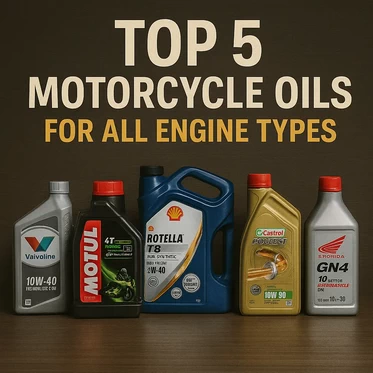
Change the engine oil every 3,800 miles (6,000 km) or 6 months, whichever comes first. Always use motorcycle-specific 10W-40 oil that meets JASO MA standards.3. What kind of coolant does the Ninja 500 use?
The 2025 Ninja 500 uses a 50/50 ethylene glycol-based, silicate-free coolant. Check the coolant level regularly and replace it every 2 years.4. When should I replace the air filter?
Inspect the air filter every 7,600 miles (12,000 km) and replace it as needed. In dusty conditions, check and clean it more frequently.5. How do I maintain the drive chain?
Clean, lubricate, and adjust the chain every 500–600 miles (800–1,000 km), or after riding in rain/dust. Proper chain slack should be about 35–45 mm.6. Does the Ninja 500 have ABS?
Yes, ABS is available as an option. If equipped, ensure brake fluid is checked every 6 months and replaced every 2 years. Use DOT 4 brake fluid.7. When should I check the valve clearances?
Valve clearance inspection is recommended every 15,000 miles (24,000 km). This should be done by a certified technician unless you're highly experienced.8. How often should I check the tire pressure?
Check tire pressure before every ride. Recommended pressure: Front: ~32 psi (2.2 bar), Rear: ~36 psi (2.5 bar). Adjust based on rider weight and load.9. What battery does the Ninja 500 use?
The Ninja 500 uses a maintenance-free 12V lithium-ion or sealed lead-acid battery. Check voltage monthly and keep the terminals clean.10. Can I do basic maintenance myself?
Yes! Oil changes, chain cleaning, and air filter checks are all DIY-friendly. However, tasks like valve adjustments or coolant flushes are best left to professionals unless you’re experienced.


JoomShopping Download & Support