The battery's energy capacity has been increased, providing a five percent increase in range, which addresses two of the main problems with electric motorcycles: speed and range. The third problem, charging time, has not been ignored, so the new Ego+ can charge the batteries from zero to 80 per cent in just 40 minutes using the DC fast charging function.
New colour schemes available for MY23 complement the sporty bodywork, including a racing colour scheme. Each update increases range and charging speed. In addition, it increases range at higher speeds, which has always been a sore point for electric motorcycles.
The new EMCE motor and inverter use a liquid cooling system that reduces weight and improves thermal efficiency. The lower weight and centre of gravity make the chassis even more manoeuvrable. Significantly reduced maintenance intervals make the Ego more cost-effective to operate.
Contents
- Design
- Chassis and Handling
- Electronics and Safety
- Engine and Transmission
- Ride Experience
- Pricing
- Competitors
- FAQ
DESIGN
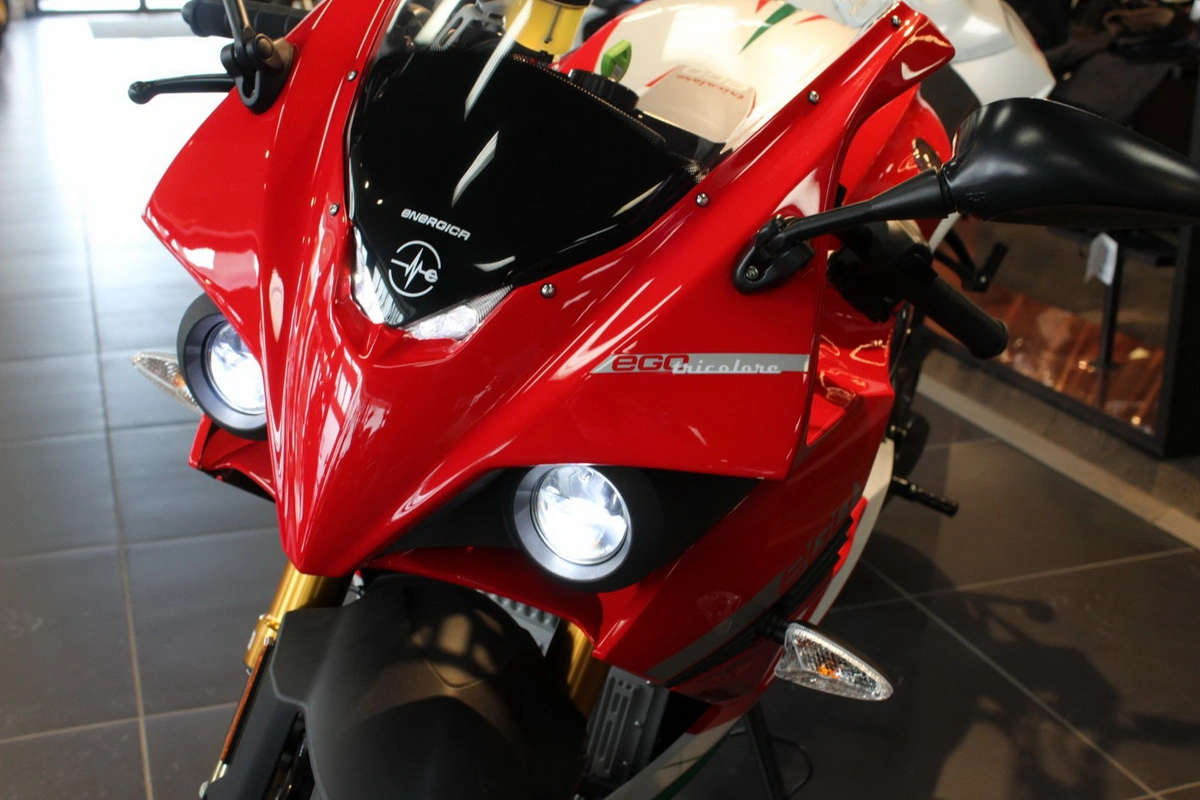
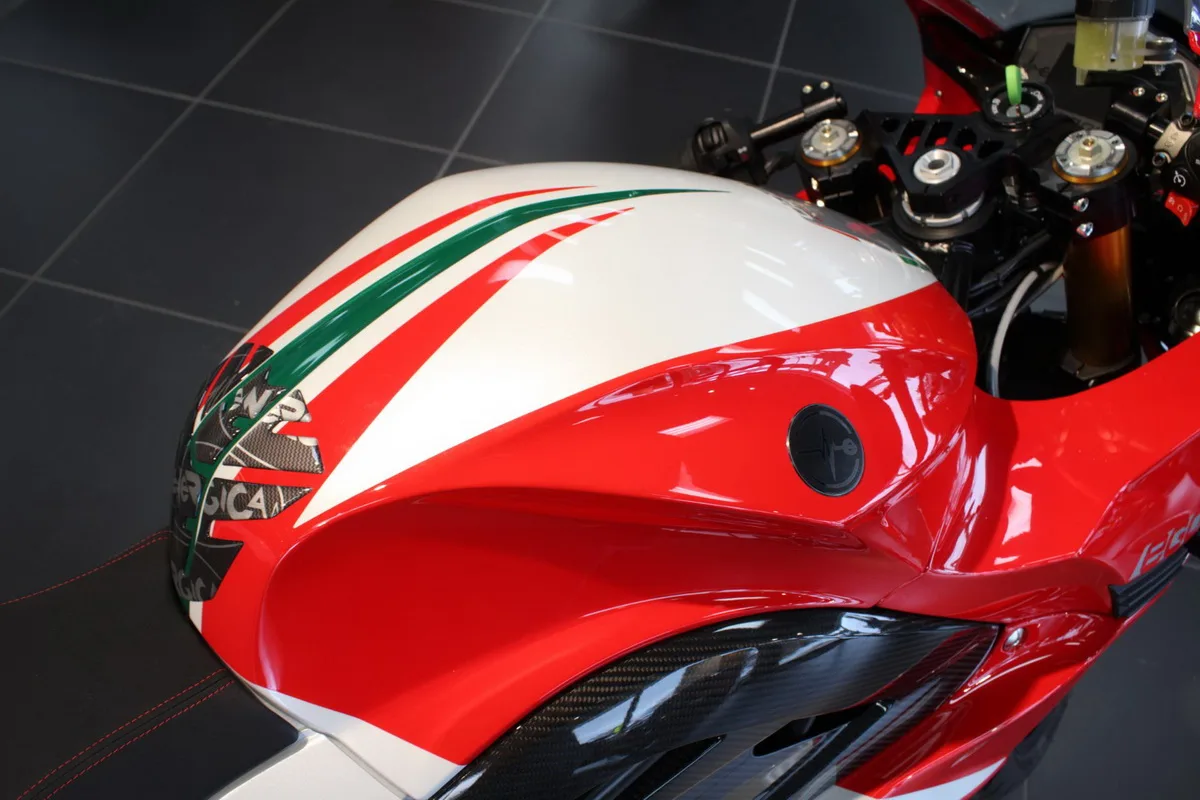
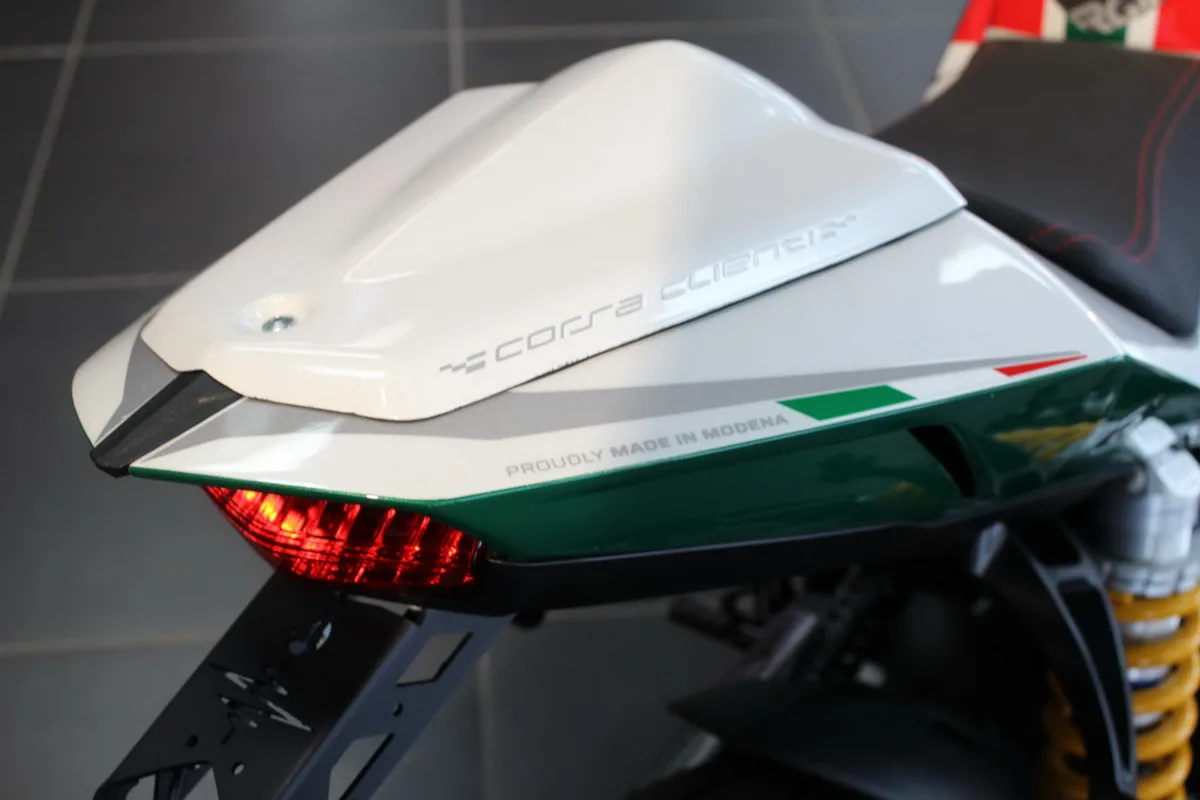
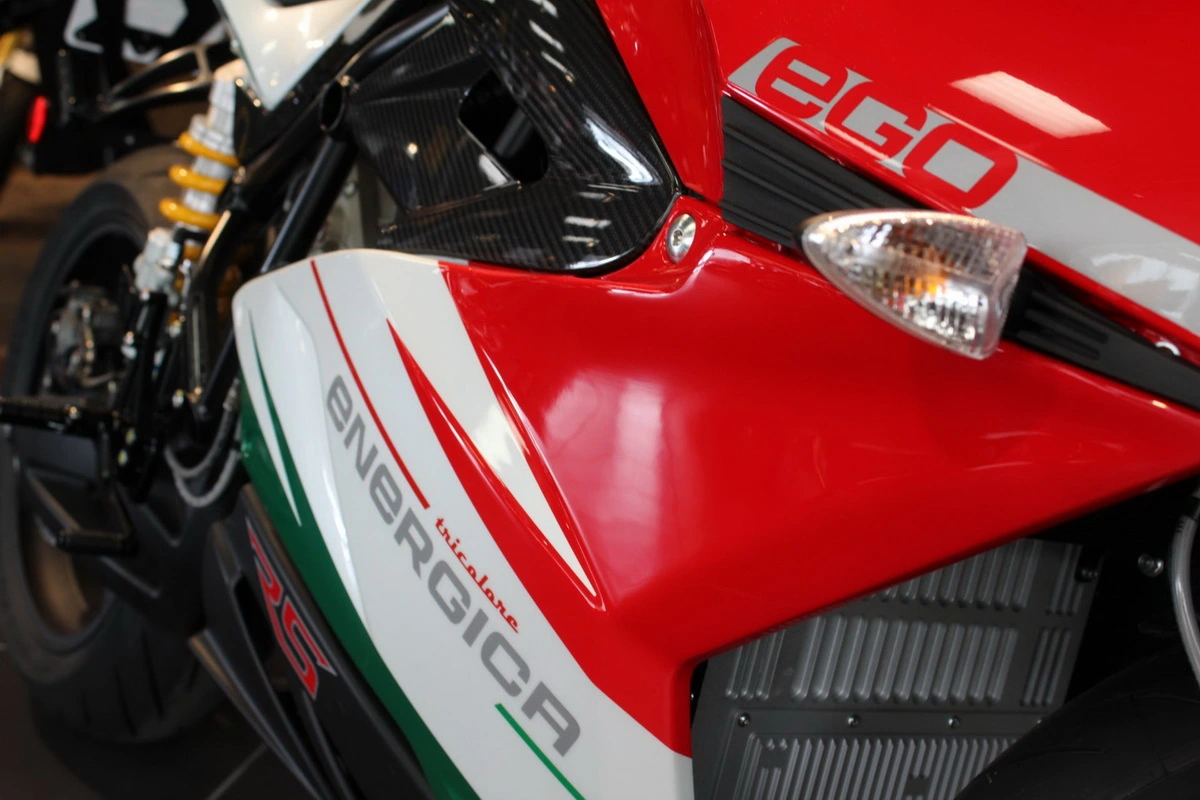
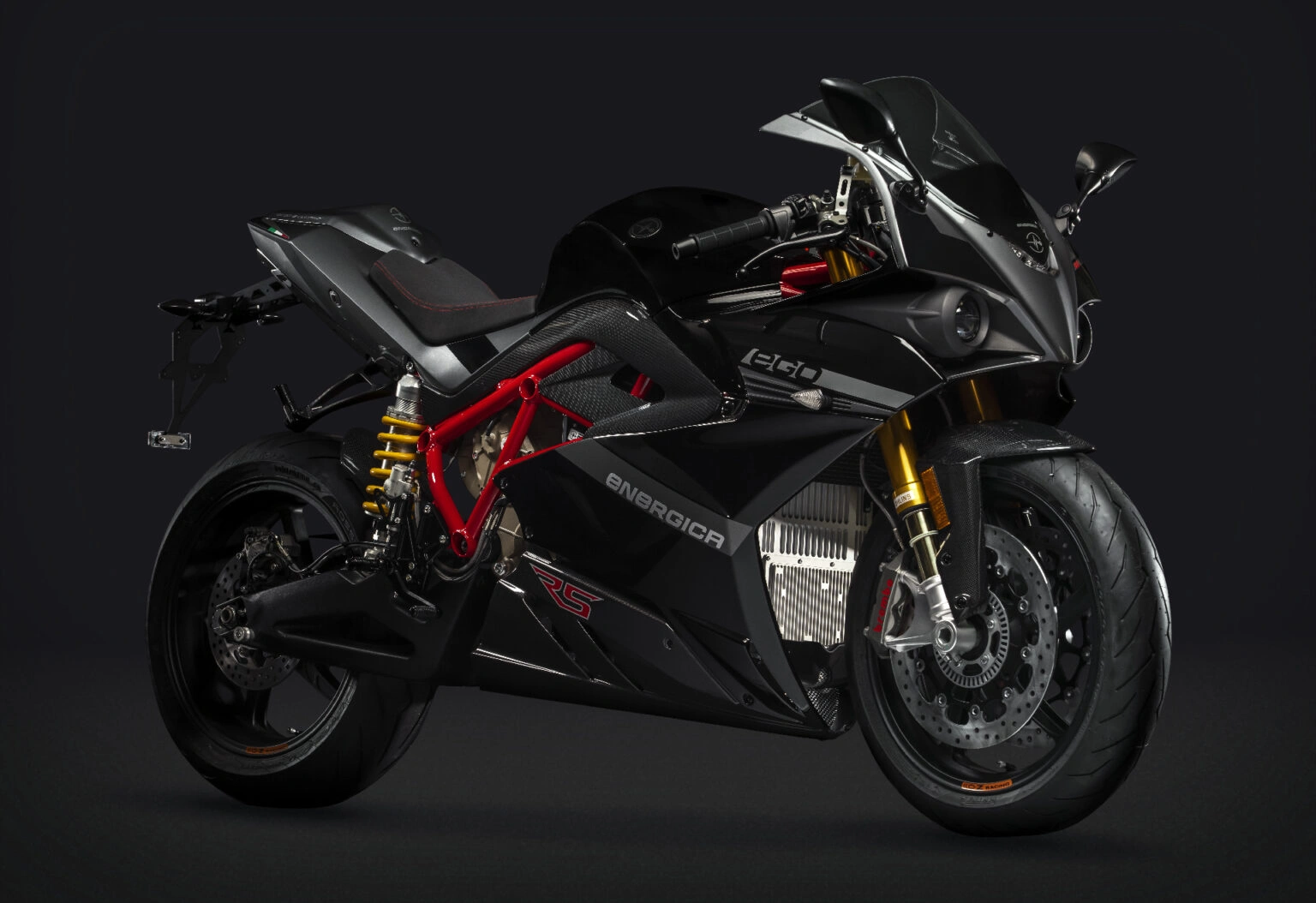
Energica's bodywork is among the best in the world, designed more for performance than aesthetics, because, ultimately, form must follow function. Like its internal combustion engine equivalents, the aerodynamic advantages start right at the front with a moulded front wing that acts as a spoiler to expel the air that comes in to cool the engine. The actual fairing has a pair of headlights mounted in recesses in the front fairing with a bubble screen at the top that cuts through the wind for the rider, although you'll have to rest your chin on the tank to take advantage of it.
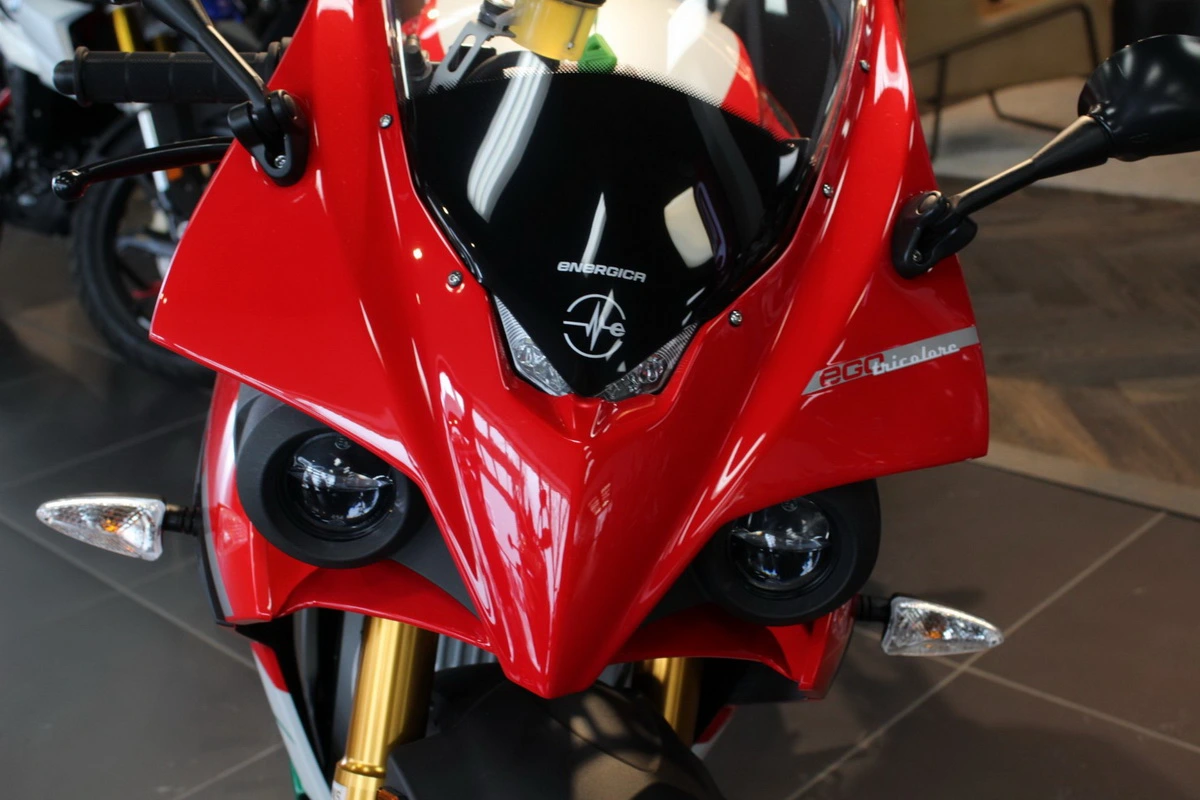
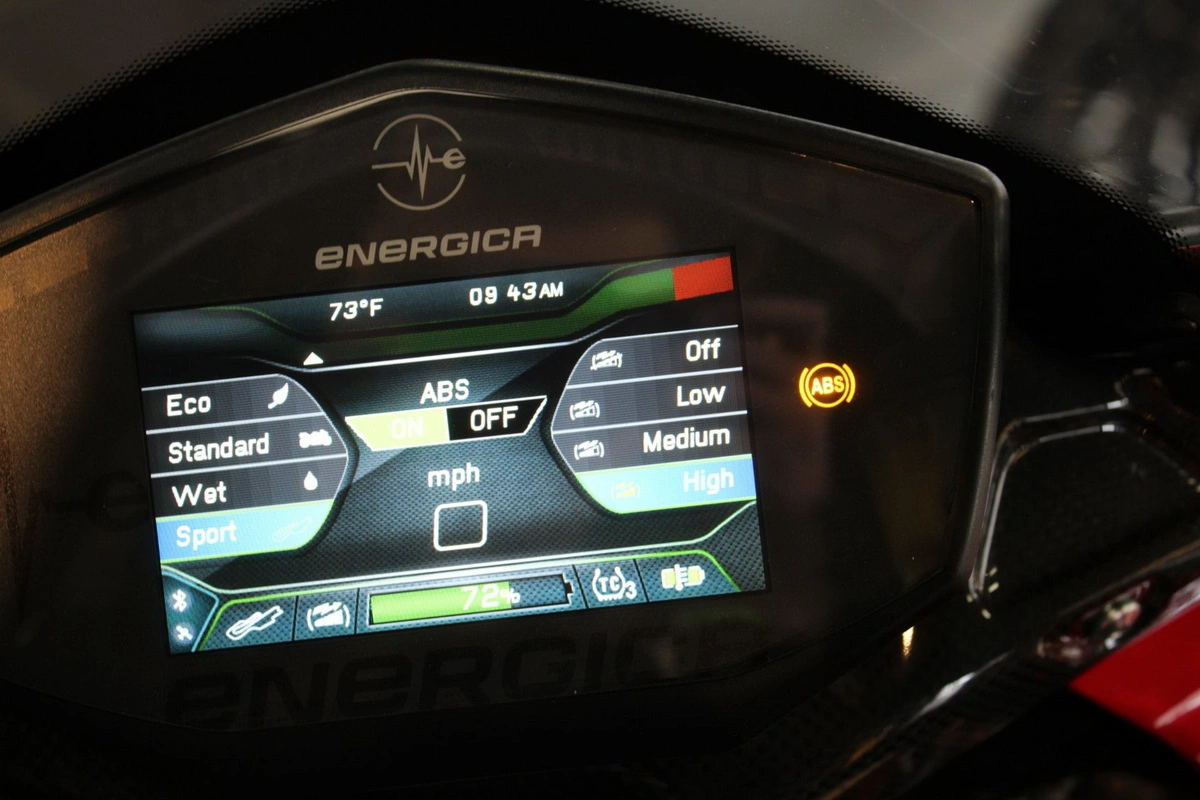
The extremely short handlebars serve their purpose of pulling the rider forward into an aggressive racing position, but in a normal compromise, they do not allow you to reach forward to find a more comfortable upright position. This is something to keep in mind if you plan to use it as a commuter bike. Behind the windscreen, a 4.3-inch colour TFT screen acts as the instrument panel with all the usual readings and a battery of interesting lights. In addition, the instrument panel acts as a portal for user settings, allowing you to choose between four riding modes and four regenerative maps for gradual power control.
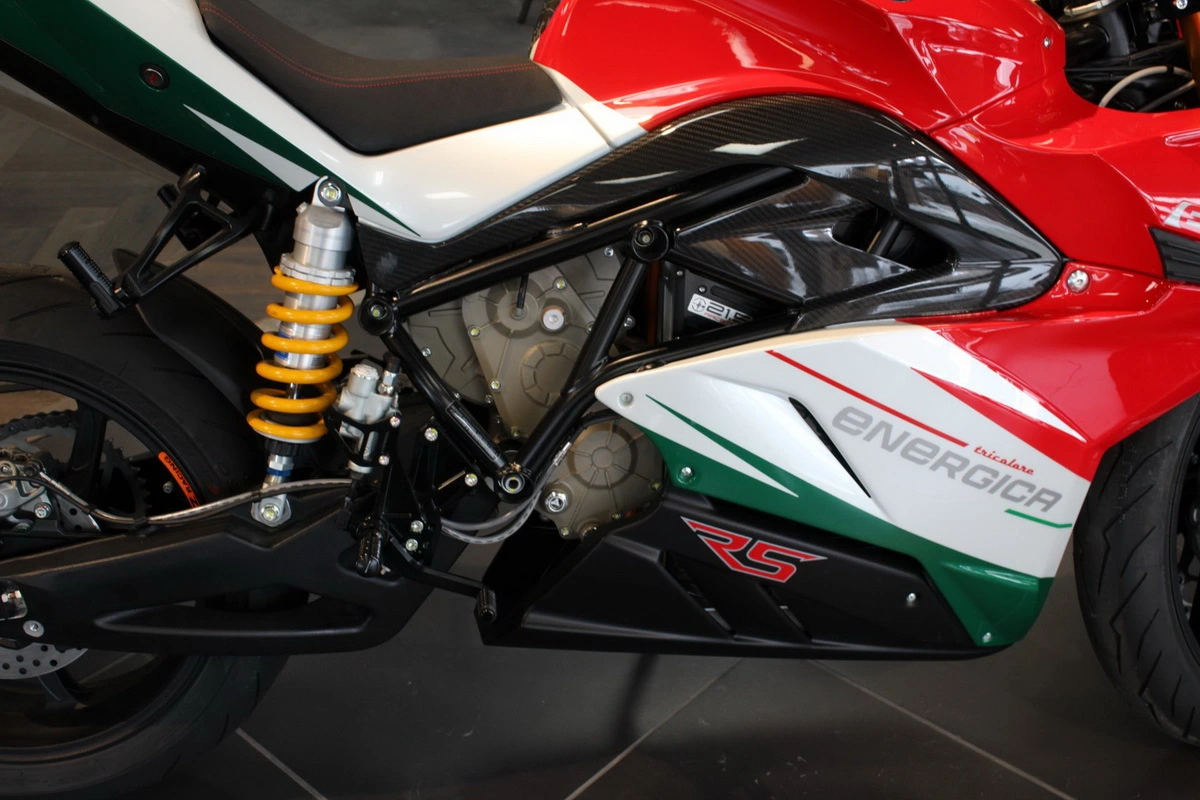
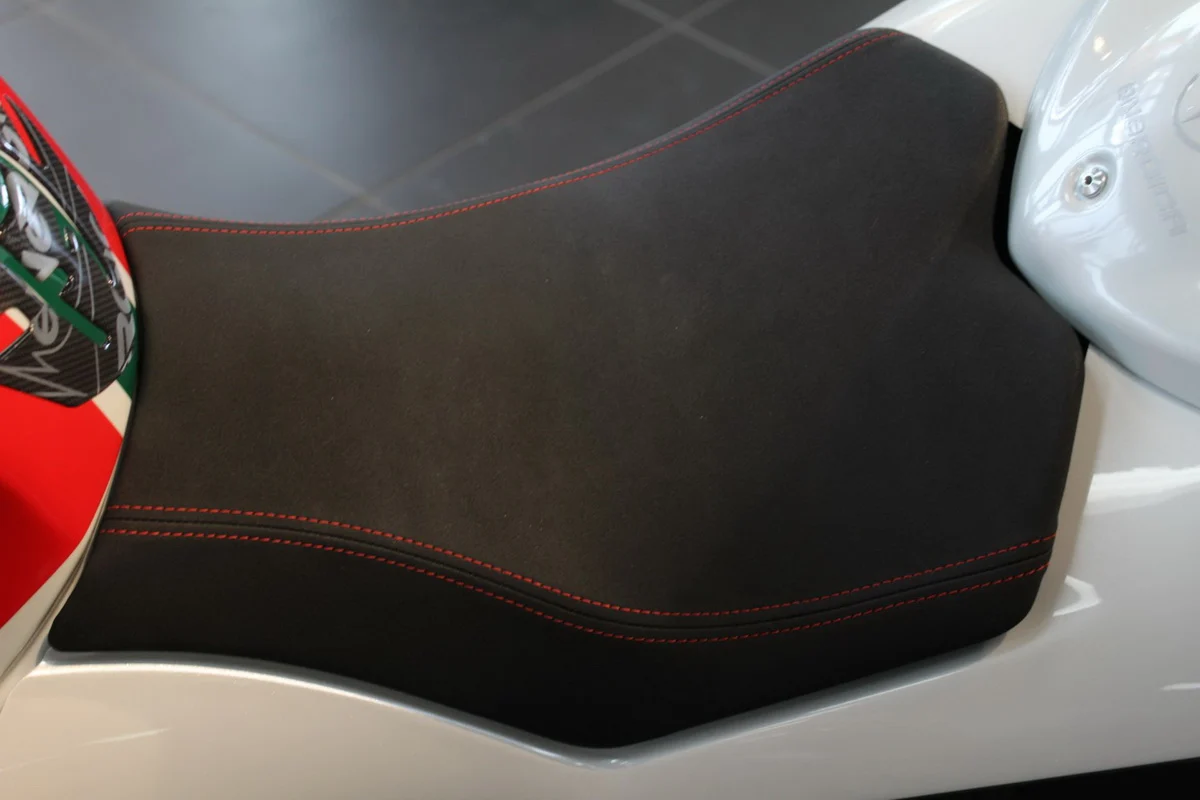
Traction control comes with no less than six levels of control for even greater control. Speaking of control, the electric drive has a Park Assistant function that allows you to move forward and backward at low speeds to easily manoeuvre the motorcycle when parking. The seat height is reasonable and typical for the sport class at 31.9 inches above the deck, so it is designed for a fairly wide range of body types. A small rear seat pad and folding footrests are included.
| Dimension | Metric | Imperial |
|---|---|---|
| Seat Height | 810 mm | 31.9" |
| Wheelbase | 1,465 mm | 57.7" |
| Length | 2,140 mm | 84.2" |
| Width | 870 mm | 34.25" |
| Height | 1,166 mm | 45.9" |
CHASSIS and HANDLING
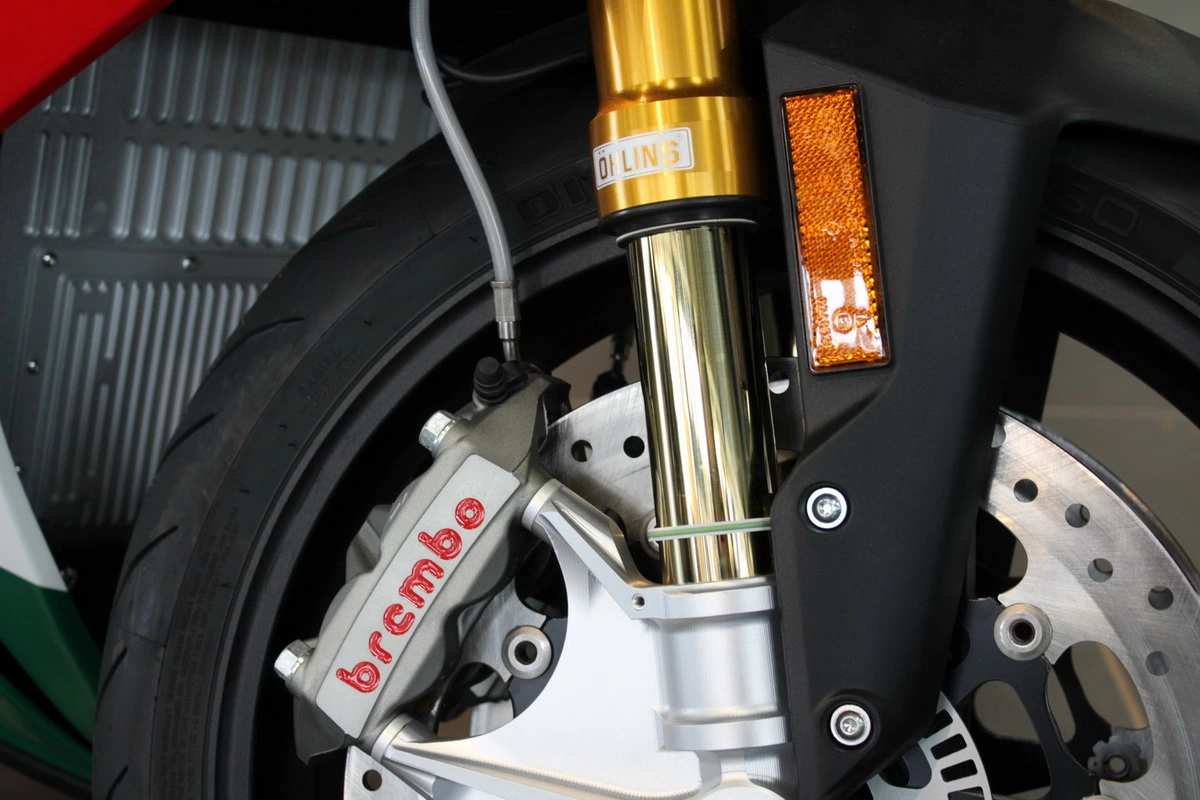
Tubular steel elements form a lattice-type frame, which adds strength, while cast aluminium was chosen as the material for the full-clamp swingarm to keep unsprung weight on the rear axle. The suspension features a 43 mm Marzocchi front fork. It has 4.33 inches of travel and comes with a full range of settings. At the rear, a Bitubo monoshock takes care of business with a whopping 6.5 inches of travel and adjustable rebound damping, along with the mandatory spring preload function.
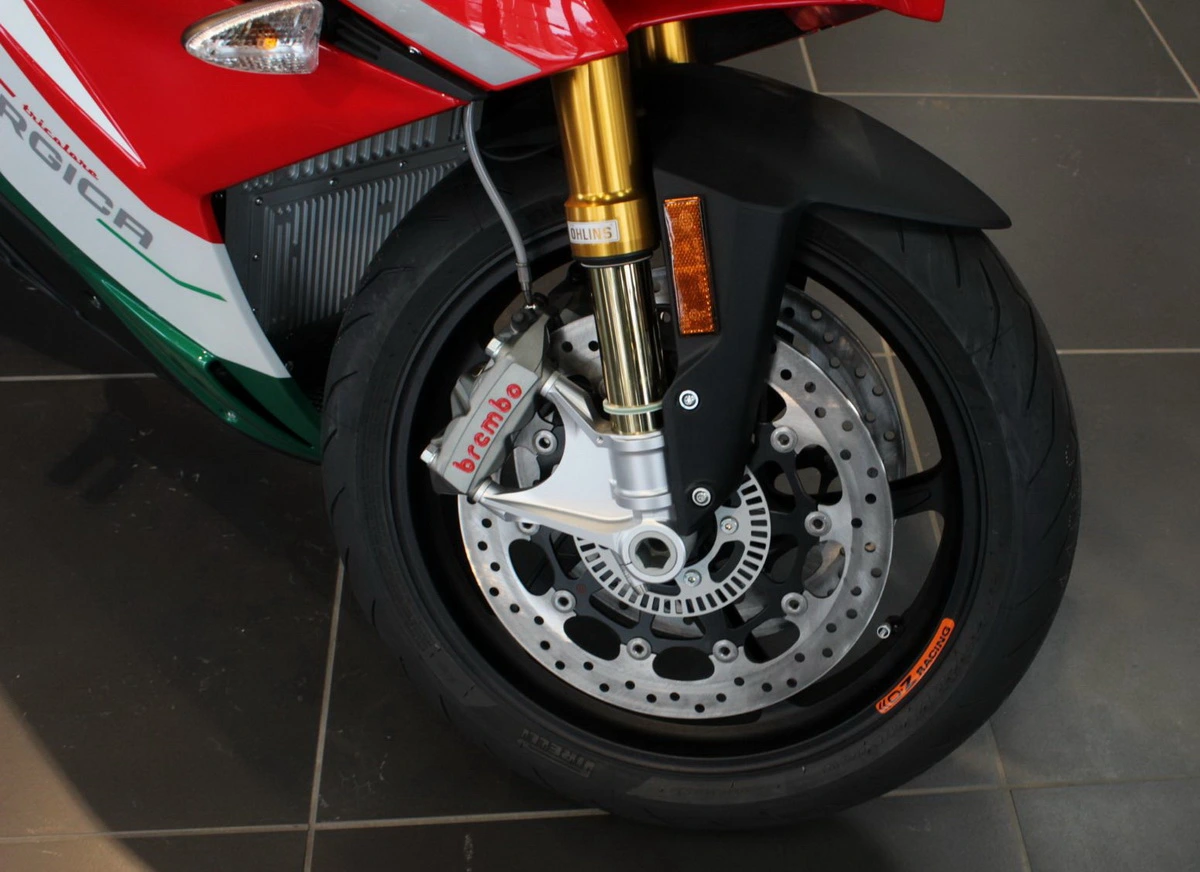
Cast aluminium wheels complement the mobile chassis with 120/70 front and 180/55 rear tyres, both 17 inches in diameter, and Pirelli Diablo Rosso III tyres, which have the highest speed rating available, so they can handle powerful riding. Dual 330 mm brake discs and four-piston calipers slow down the front wheel with a 240 mm disc and two-piston mounts at the rear, all protected by Bosch ABS. Turn it off completely if you really want to lock one of the wheels.
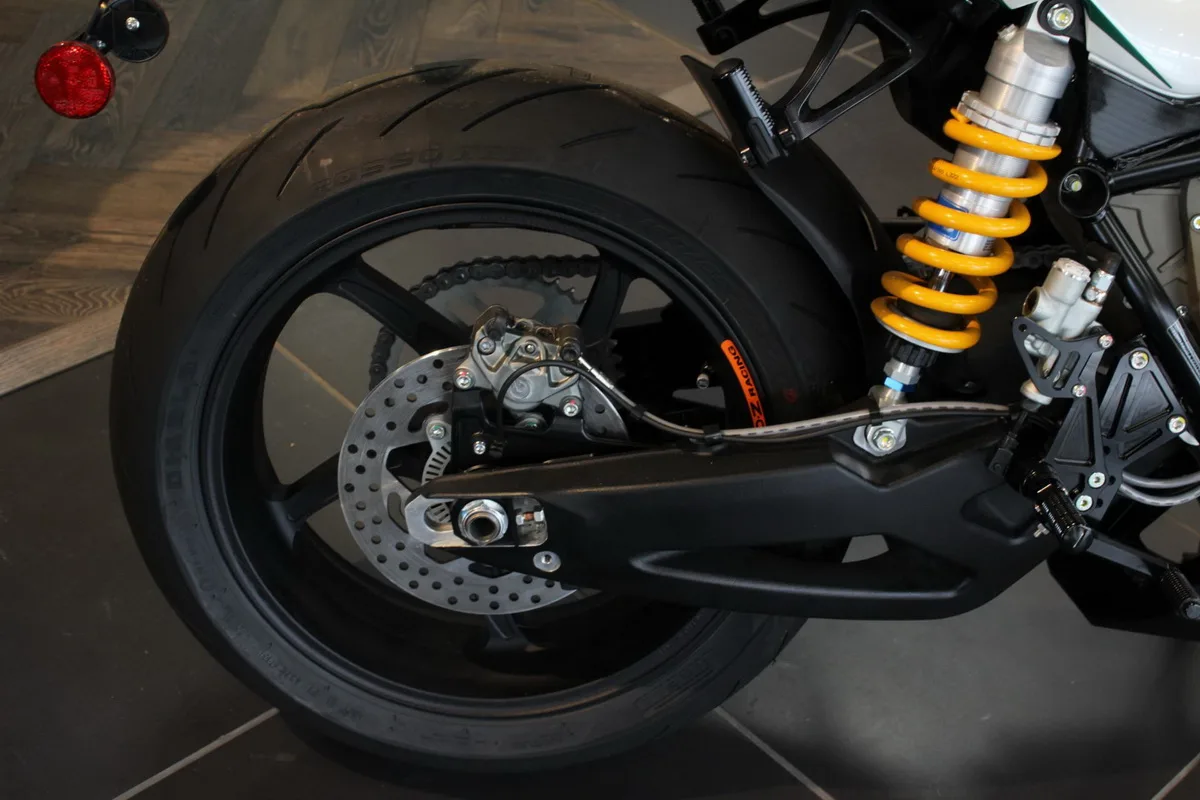
| Component | Specification |
|---|---|
| Wheels | Cast Aluminium: front 3.5" × 17" / rear 5.5" × 17" |
| Tires | Pirelli Diablo Rosso III – front 120/70 ZR17 / rear 180/55 ZR17 |
| Frame | Steel Tubular Trellis |
| Swingarm | Cast Aluminum |
| Front Suspension | Marzocchi 43mm, Adjustable Rebound/Compression Damping & Preload |
| Rear Suspension | Bitubo Mono Shock, Adjustable Rebound & Preload |
| Gear Ratio | EGO/EGO+: Regina (16/44) 525 O-Ring Chain EGO+ RS: Regina (15/44) 525 O-Ring Chain |
| ABS | Bosch Switchable |
| Front Brake | Brembo Dual 330mm Floating Discs, 4-Piston Radial Calipers |
| Rear Brake | Brembo Single 240mm Disc, 2-Piston Caliper |
ELECTRONICS and SAFETY
There are motorcycles that make you feel adrenaline thanks to their power. And there are those like the Energica Ego+ RS, where power is complemented by intelligence. Here, you don't have to fight the bike — it becomes your ally, able to back you up when the road throws up surprises.
First impressions of the electronics
When you sit down and start the Ego+ RS, the large TFT display immediately catches your eye. It doesn't just show your speed or battery level — it also has navigation, Bluetooth connectivity, and smartphone notifications. It feels like you're riding a bike from cyberpunk.
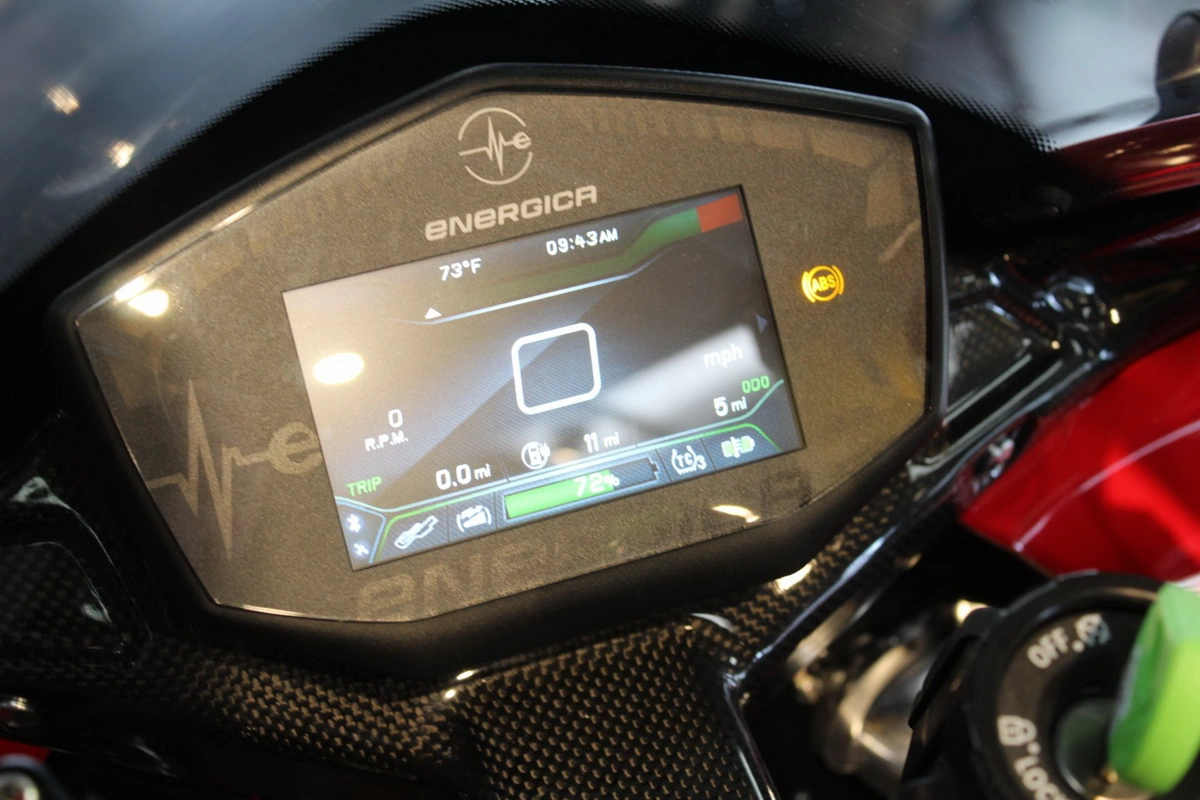
The most impressive thing is how the riding modes work. In the city, I switch to Urban — the motor responds smoothly, without any nervous jerks. When it starts to rain, I press Rain, and the system instantly reduces the power, allowing me to ride calmly on slippery asphalt. But when the road is empty, Sport changes everything: a sharp start, instant torque, and it feels like the wind is picking you up.
Regenerative braking is another thing you quickly get used to. You release the throttle, and the bike starts to slow down on its own, smoothly and controllably. This is a lifesaver in traffic jams, because you don't have to constantly press the brakes. And you also feel a pleasant satisfaction: each such ‘slowdown’ recharges the battery.
Safety systems in real life
What is referred to as ABS, TC or ESC in technical descriptions feels like additional stabilisation for the bike on the road. When you twist the throttle on wet asphalt, but the wheel does not spin, this is the work of traction control. When you brake sharply at a traffic light and the motorcycle doesn't sway, thank ABS and the brake force distribution system. And when you take a turn a little more boldly than you planned, stabilisation imperceptibly keeps you on track.
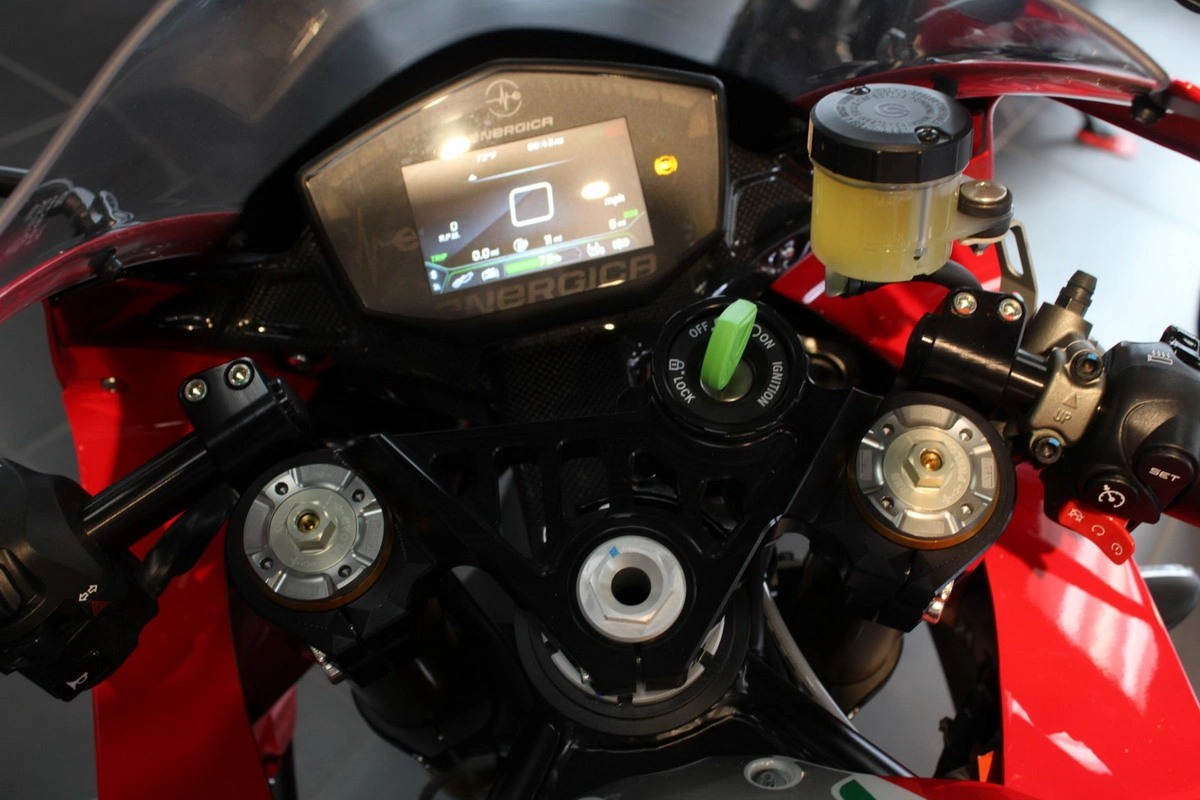
LED optics may seem like a minor detail at first glance. But when you're driving down the motorway at night and you see a clear, wide beam of light in front of you, you realise that this is also about safety. And it's just as important that the Ego+ RS is clearly visible to other drivers.
How does all this benefit the driver?
In the city, electronics make the ride calm — even in traffic, you feel in control. On the motorway, they allow you to enjoy the speed without constantly thinking ‘what if...’. In essence, the Ego+ RS gives you not only dynamics, but also the confidence that your bike is ready to back you up in difficult moments.
ENGINE and TRANSMISSION
The Energica Ego+ comes with a new electric drive, EMCE hybrid synchronous motor and adaptive control inverter function. Both of the above devices are liquid-cooled and now share a common cooling system for greater overall thermal stability even under harsh operating conditions. Despite these improvements, the manufacturer has managed to reduce the weight of the transmission to make it 10 kg lighter than its predecessor.
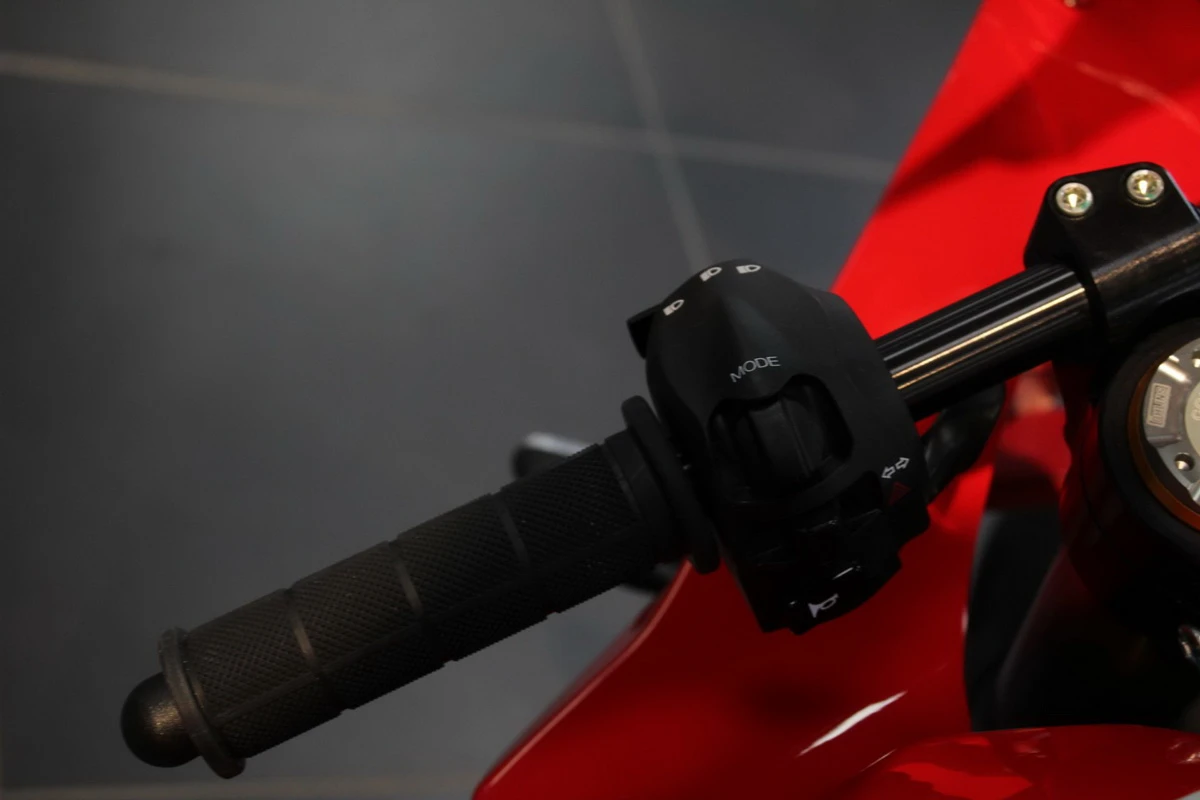
The motor is a 3-phase, 300-volt motor with a maximum operating speed of 12,000 rpm for a maximum speed of 242 km/h for the Ego+ electric motorcycle, which is adjustable. Theoretically, this is not the actual maximum power. In addition, it is fast, with an acceleration time from 0 to 100 km/h in 2.8 seconds or 2.6 seconds for the RS model, which will put almost anything you encounter during motorcycle rides to shame. The Energica Ego+ delivers 147 horsepower continuously, with 169 horsepower and 220 Nm of torque.
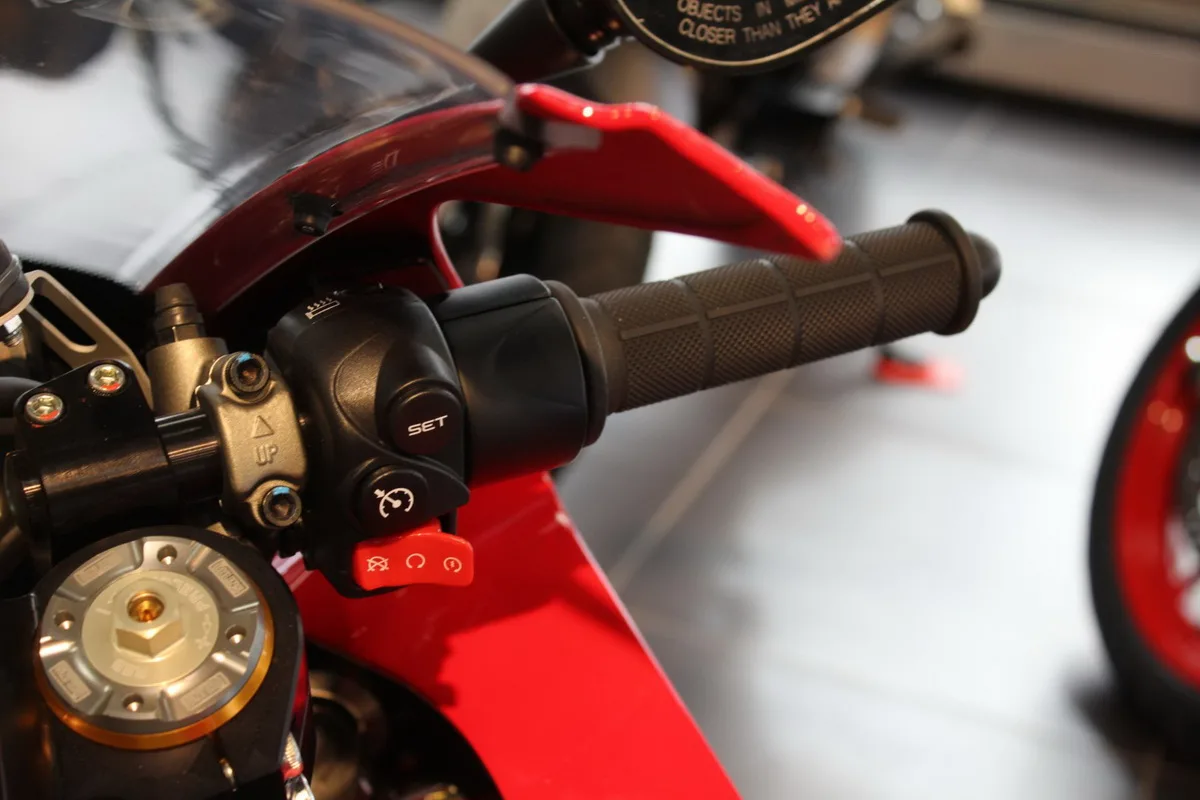
As for the range, the figures are encouraging. You can count on 210 km. Longer trips will need to be carefully planned, preferably with a place to recharge along the way.
The lithium-polymer battery provides a long service life, approximately 1,200 charging cycles before it needs to be replaced. When it comes to charging, if you have access to a DC fast charging system, you can charge the battery from 0 to 80 percent in just 40 minutes. Or you can plug it into a power outlet at home for slower charging. The battery also has a long-term rest function that helps balance the battery charge to prevent damage during long-term storage.
New vs. Used Motorcycles: Pros and Cons for First-Time Buyers
RIDE EXPERIENCE
Honestly, when I first saw the Ego+ RS, it seemed to me that it was not a bike, but a space fighter that accidentally drove onto the road. Aggressive design, sharp lines, and the feeling that it will just rush forward even without you. I sit down and realise: this is not ‘just another sports bike’. This is a ride into the future.
Acceleration that knocks the wind out of you
No rumbling when you start it up, just a slight buzz from the electronics. But as soon as you twist the throttle, you're literally pinned to your seat. From 0 to 100 km/h in a few seconds, and you're already catching the headwind, trying to digest the fact that all this is happening without the roar of an engine. The instant torque works like a wave — and it's a thrill that petrol sports bikes can't give you.
Different characters in the city and on the motorway
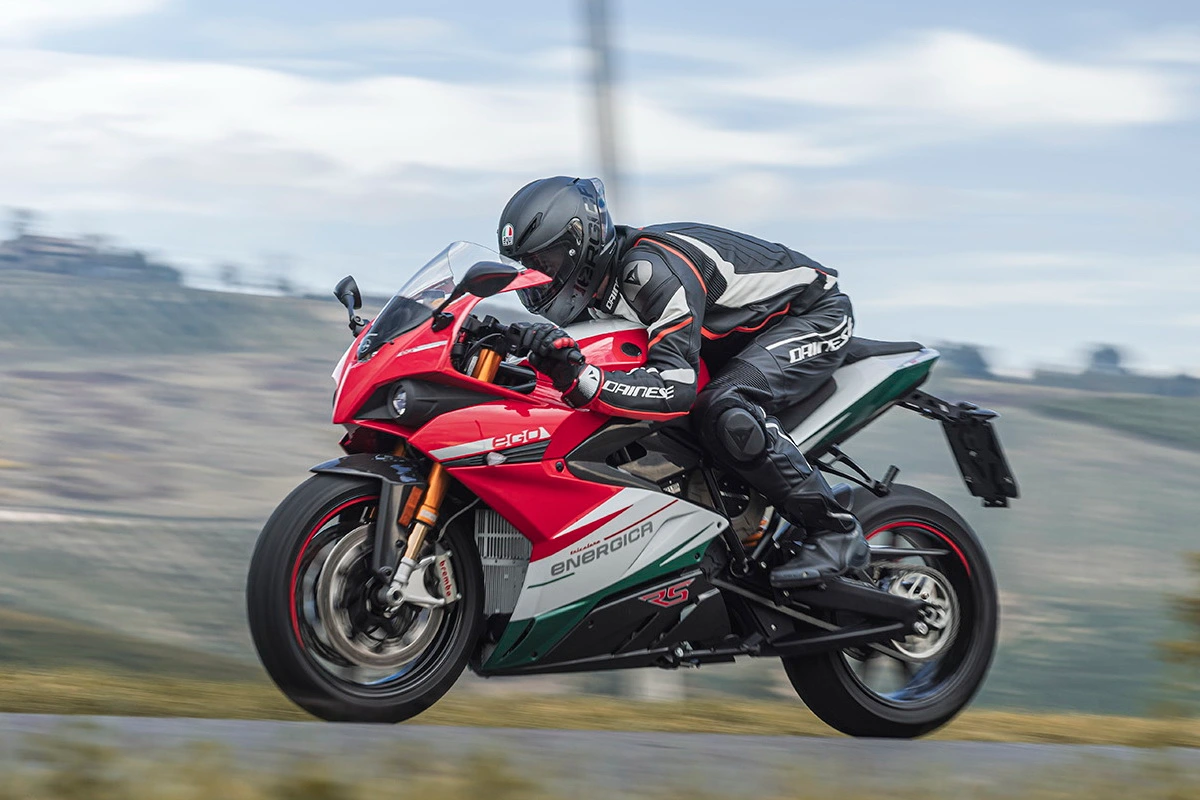
In traffic, the Ego+ RS surprises with its obedience. Yes, it's heavy, but the balance is so precise that manoeuvring between cars is no problem. And when you get on the motorway and open the throttle, the bike turns into a train, stable and unshakeable even at 150+. In corners, it reads your intentions better than some friends read your messages.
Comfort and frightening silence
The seating position is sporty, but you don't punish yourself for an hour in the saddle. The suspension is stiff, but it still handles potholes better than you would expect from a sports bike. And the biggest shock is the silence. There is no rumbling, no vibrations, your hands don't go numb, the mirrors don't shake. You hear the wind, you hear the road — and it adds a new kind of intimacy to the ride.
Technology that works for you
The riding modes allow you to adjust the character of the bike to suit your mood: if you want ‘beastly’ dynamics, switch to Sport; if you want peace and quiet, switch to Urban. Regenerative braking works like magic: you press the brakes less often, and the battery even recharges a little. And all this comes with ABS and traction control, which provide safety.
Riding the Energica Ego+ RS gives you goosebumps not from the sound, but from the speed and the feeling that you are one step ahead of the rest of the world. This is a bike for those who want an electric shock of emotions and are not afraid to break away from old ideas about motorcycle life.
PRICING
When you look at the Energica Ego+ RS, it's hard to believe that it's not a concept from the future. But here's the question: how much will you have to pay for this Italian ‘rocket’ in different parts of the world?
Europe
In Modena, where the Ego+ RS is made, the bike starts at €31,500. In Germany or France, it already costs €33,000 — taxes and dealer markups do their job. But there is a nice bonus here: government programmes to support electric transport. If you're lucky, you can knock another €1,500–3,000 off the price.
United States and Canada
In America, the price tag starts at $37,000, and in Canada, it's around CAD 40,000. It sounds like a lot, but in the United States, the situation is saved by a tax credit for electric transport, and in some states, there are additional discounts. So the final amount for the buyer may be lower than the price tag.
Asia
In Japan, the Ego+ RS will set you back around 5.8–6.0 million yen (€31,500–34,000). In South Korea, it is even more expensive — 65 million KRW (approximately 31,500 euros). There are also government subsidies here, but they are not as generous as in Europe or the United States, so you will feel the difference in price significantly.
Australia
Australians will have to pay approximately AUD 56,000 (€31,550). Everything is tough here: distant logistics, import taxes and almost zero government support. So Australian motorcyclists pay the full price.
Why such differences?
It's simple: taxes, duties, logistics, and currency fluctuations. Infrastructure also plays a role. In the EU and the US, charging stations are popping up like mushrooms after rain, but in Australia and parts of Asia, it's more difficult. This also affects the overall electric motorcycle market.
Additional costs
The motorcycle itself is just the beginning. Insurance for a premium electric sports bike in Europe or the US will cost €1,000-1,500 per year. Maintenance is easier than for petrol bikes because there is no engine with a thousand parts, but the electronics and battery need to be looked after. And then there is the question of charging: there are no problems in big cities, but if you are planning a trip to remote areas, you will have to think carefully about your route.
The Custom H-D Pan America by Powerbrick: Aggression, technology and uncompromising style
COMPETITORS
To be honest, the first time I saw the Energica Ego+ RS, I felt like the future was already here. The Italians have made an electric superbike that looks like it just came off the silver screen. But the future is unfair: it always has competitors. So let's see how the Ego+ RS compares to the Zero SR/S, Harley-Davidson LiveWire, Ultraviolette F77 and Verge TS Pro.
The Ego+ RS impresses with its figures: up to 400 km of range, 215 Nm of instant torque and 171 horsepower. In practice, this means that when you twist the throttle, the world around you turns into a blur, and you feel like a rocket pilot rather than a driver. And on top of all that, it charges to 80% in 40 minutes. Yes, the price tag of €25,000 is steep, but it's worth it for the experience.
The Zero SR/S is a more restrained American. Its range of about 260 km and 110 horsepower seem more modest, but that's enough for the city and short trips. It has a lower price tag — about £17,000 — and that's a good argument in its favour. Although, when you sit down after the Ego+ RS, you immediately feel the difference in dynamics.
And now — Harley-Davidson LiveWire. This is a bike for those who love style and brand more than dry numbers. Its 235 km range and 105 horsepower are not impressive compared to the Italian bike, but acceleration to 100 km/h in three seconds and the signature Harley character add charisma. There is one problem: for £15,000, you get more of an image bike than a versatile tool for long trips.
The Ultraviolette F77 is in a league of its own. It is inexpensive (around $8,000), lighter, and designed for everyday city driving. But 40 horsepower and 100 Nm of torque are, excuse me, on a completely different planet. Comparing it to the Ego+ RS is like comparing a Ferrari to an affordable city hatchback. Although in its niche, it is undoubtedly the king.
And here is the most exotic player — the Verge TS Pro. The appearance of the motor wheel raises more questions than answers, and the figure of 700 Nm of torque sounds like a challenge to the laws of physics. A range of up to 350 km and a starting price of 30,000 euros make it more of a designer toy for the select few than a mass-market bike.
So what do we have in the end? Zero is practicality for a reasonable price. LiveWire is style and legend with limited functionality. Ultraviolette is affordable electric exoticism for the city. Verge is a futuristic toy for those who want to impress their neighbours. And the Energica Ego+ RS is a true all-in-one. It is fast, long-range, technological and yet realistic for everyday use.
Top 7 Beginner Motorcycles for New Riders in 2025
FAQ on servicing the Energica Ego electric motorcycle
1. How often does an electric motorcycle need to be serviced?
Annual maintenance, even with low mileage. Brake system inspection every 10,000 km. Battery diagnostics every 15,000 km.2. Do you need to change the oil in the motor?
No. Unlike internal combustion engines, electric motors do not require oil changes.3. How to take care of the battery?
Charge to 80-90% for daily use. Full charge (100%) only for long trips. Avoid complete discharge (below 10%). Store at a temperature of 10-20°C.4. How often should brake fluid be changed?
Every 2 years or every 20,000 km.5. Does the suspension require maintenance?
Check the shock absorbers every 20,000 km. Adjust the preload according to the load.6. How to store a motorcycle in winter?
Battery charge: 50-60%. Store in a dry place at a temperature of 5-15°C. Turn off the power using the main switch.7. Can I wash my electric motorcycle?
Yes, but avoid direct water jets in the following areas: Charging connector. Control panel. Battery compartment.8. What should you do if your motorcycle has not been used for a long time?
Check the battery charge. Charge it to 50-60%. Check the tyre pressure.9. What are the typical problems after a long period of inactivity?
Discharge of the 12V battery (auxiliary). Decreased capacity of the traction battery. Replacement of brake fluid due to moisture.10. Does the battery need to be calibrated?
Yes. Every 3-6 months, perform a full discharge-charge cycle (0-100%).11. How to reduce maintenance costs?
Follow the manufacturer's recommendations. Use original spare parts. Avoid aggressive driving.
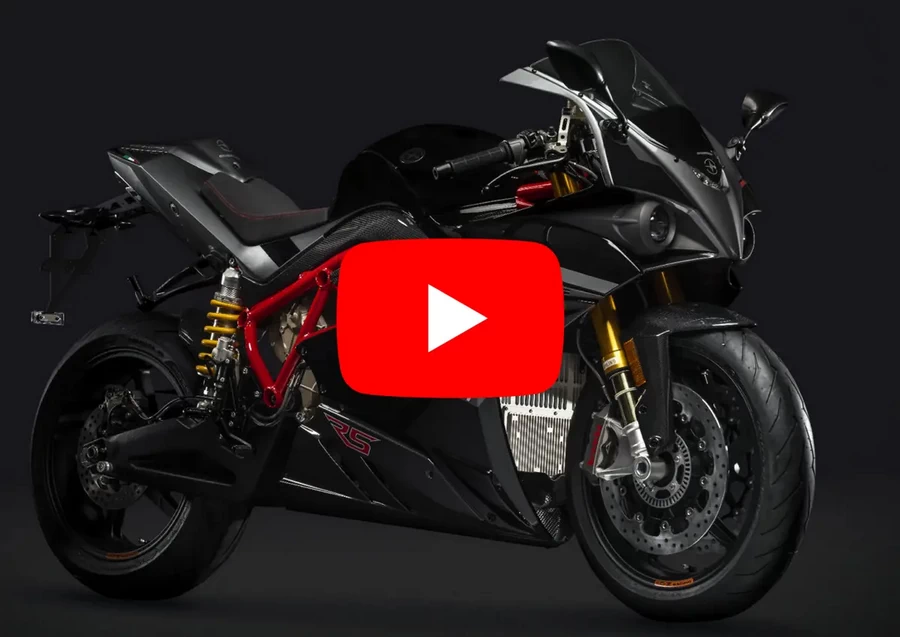
Energica Ego Video Review


JoomShopping Download & Support